
The Basics
Everything you need to start.
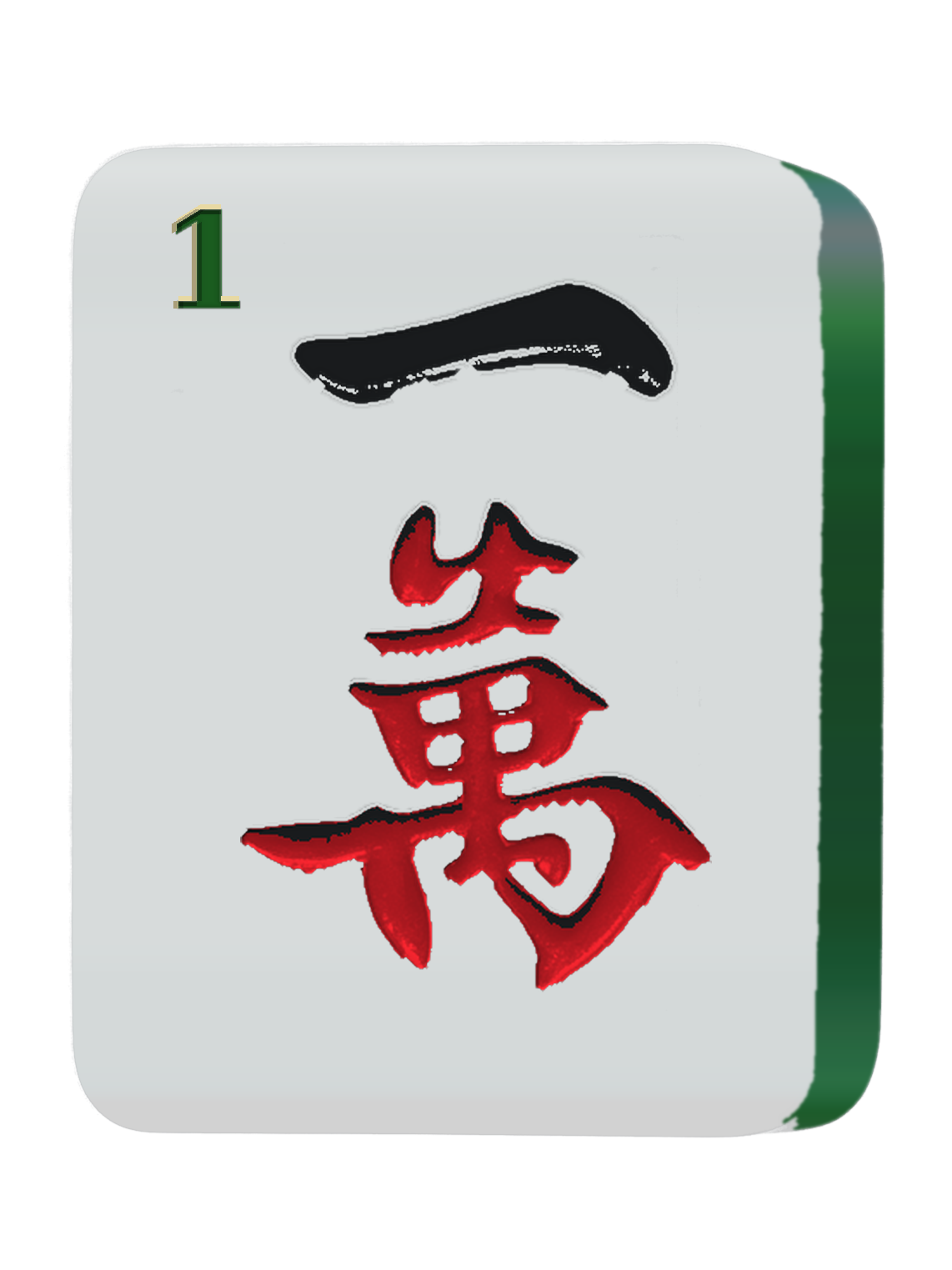
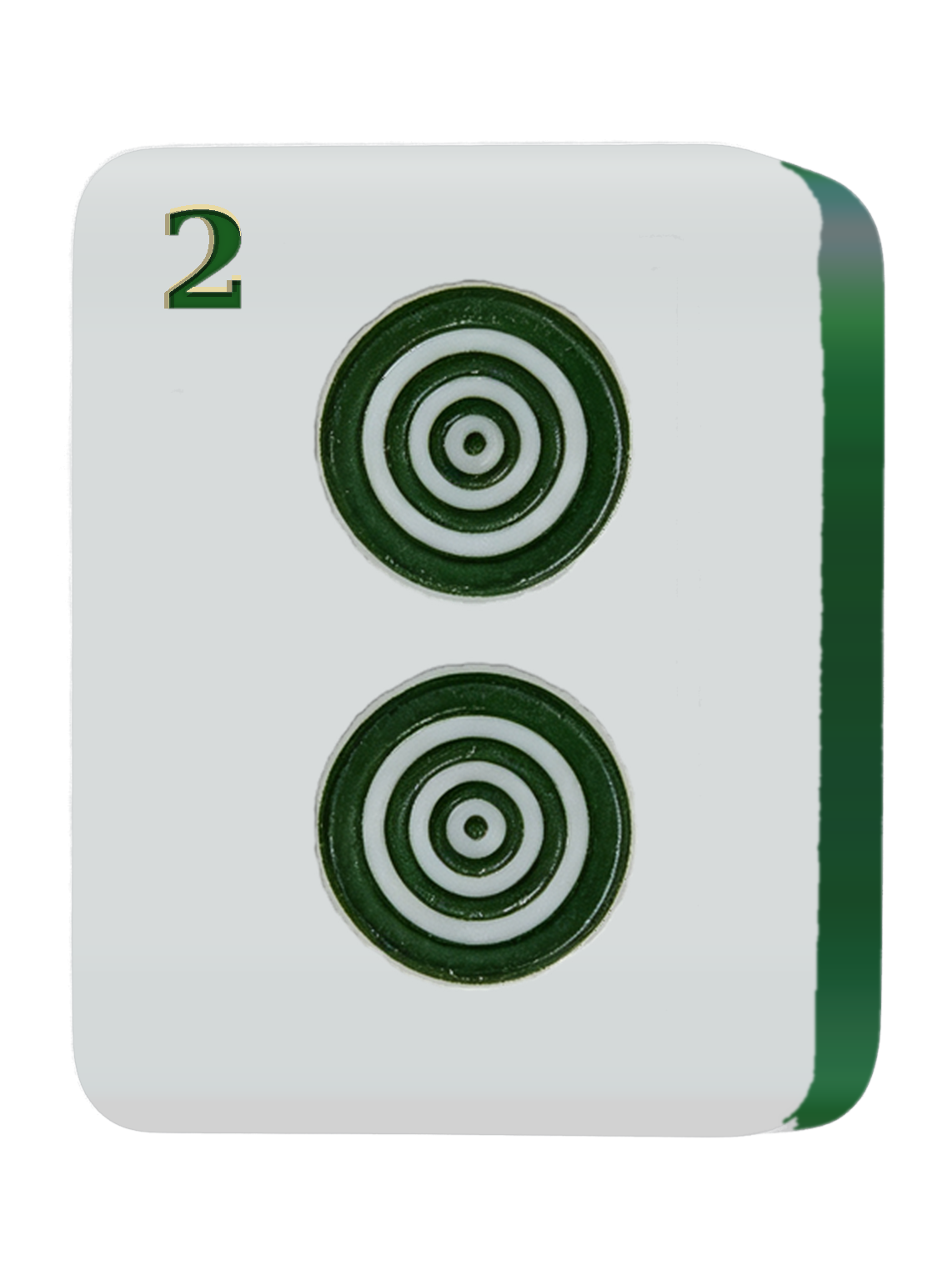
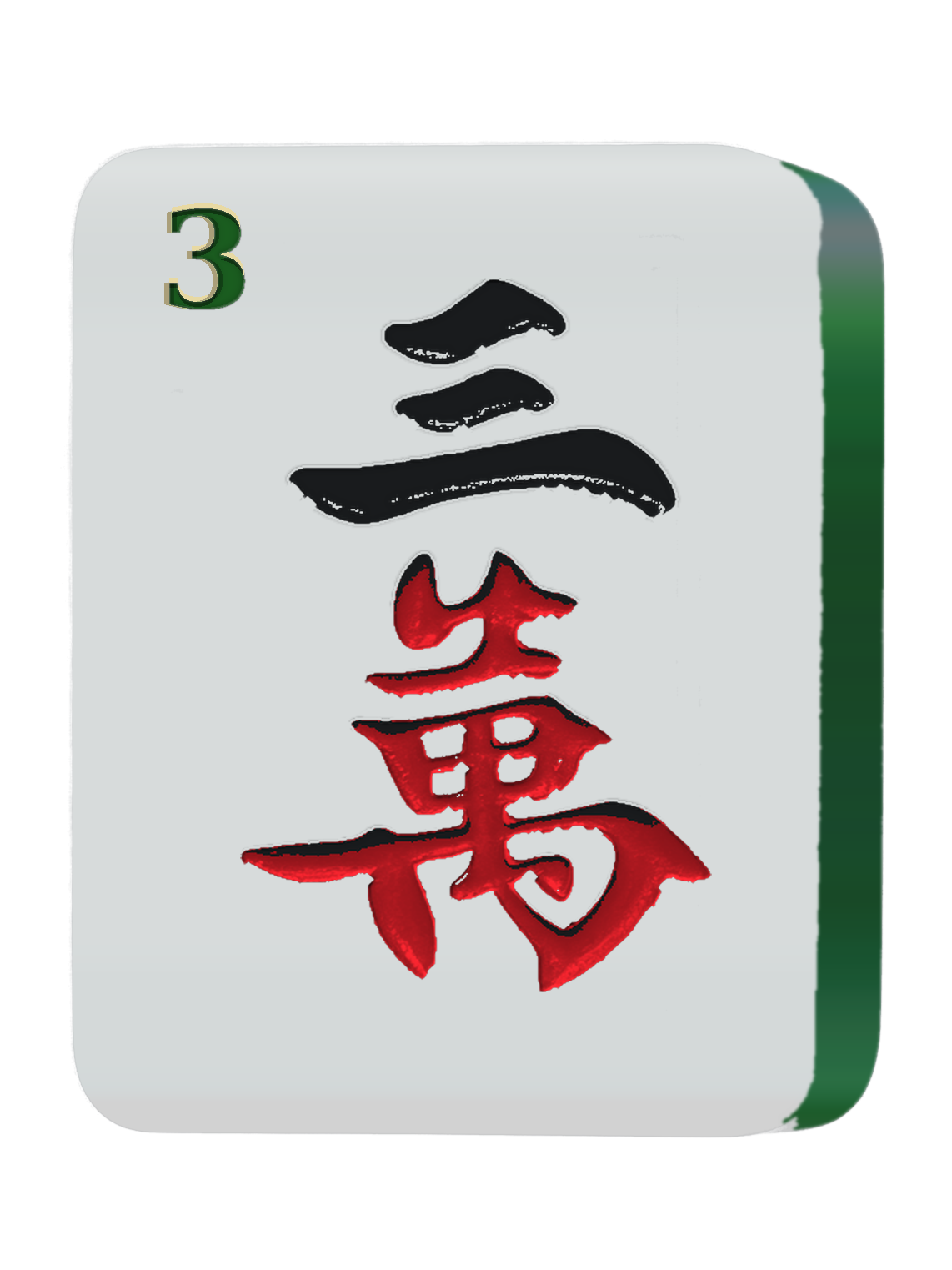
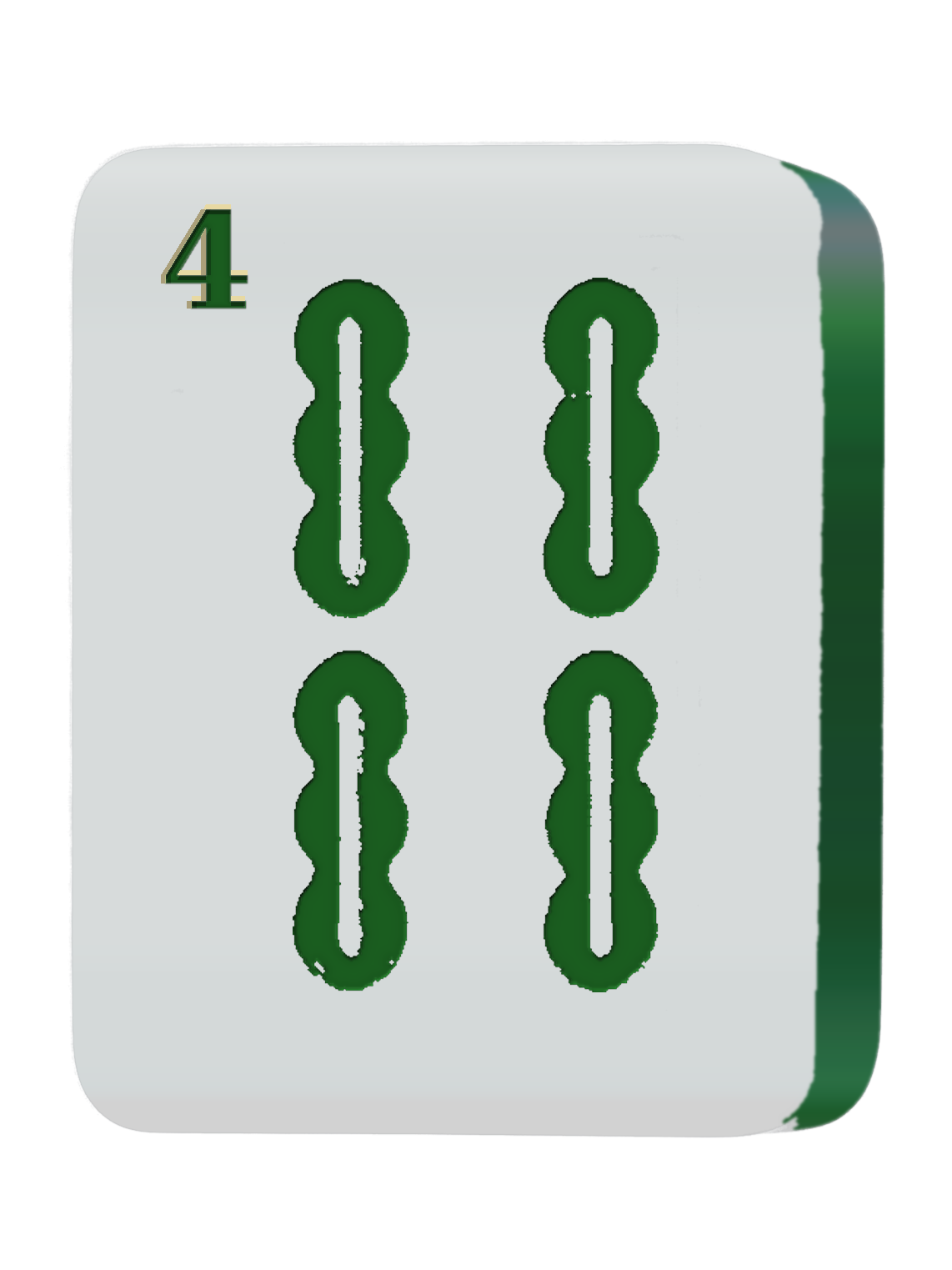
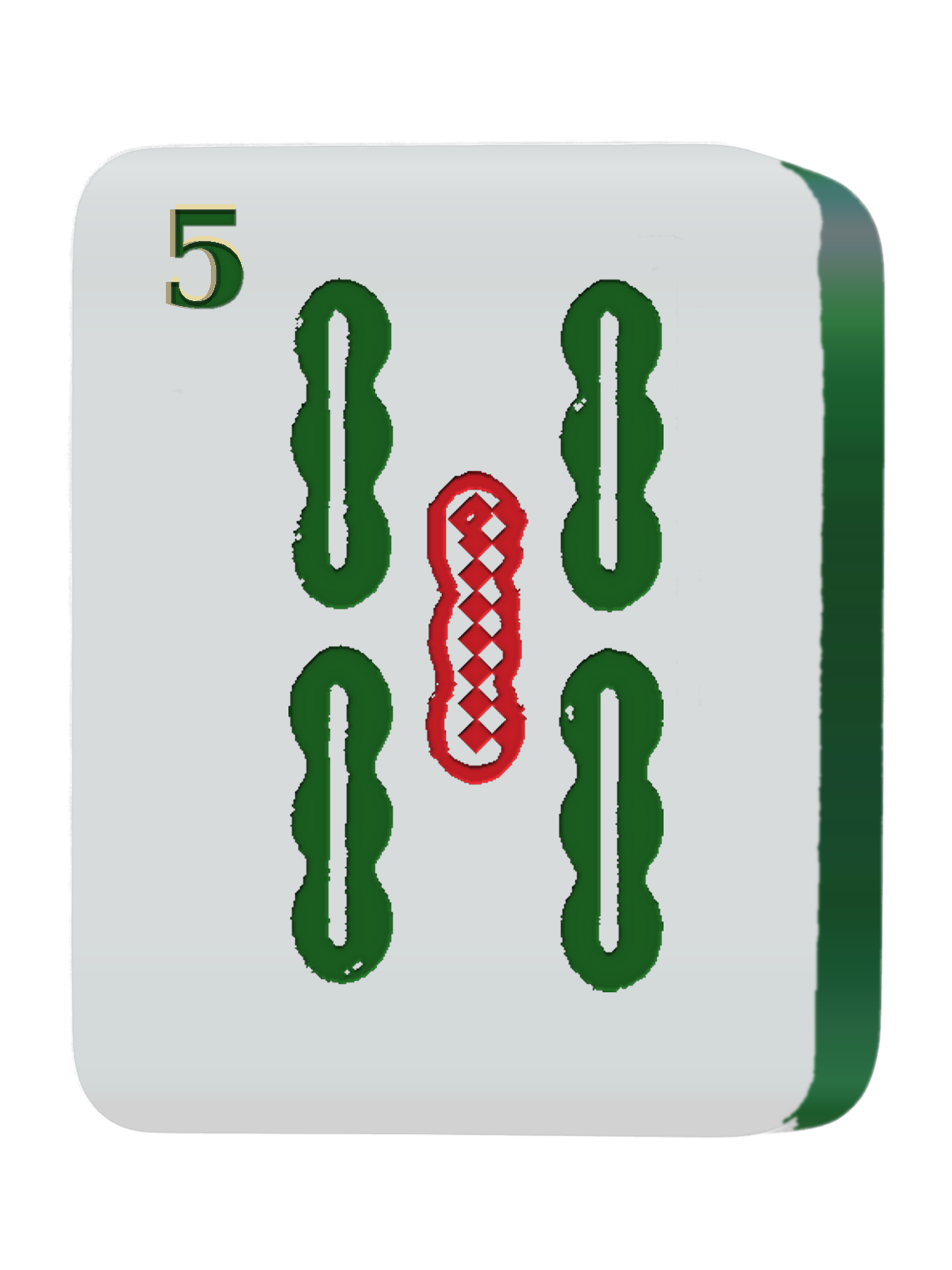
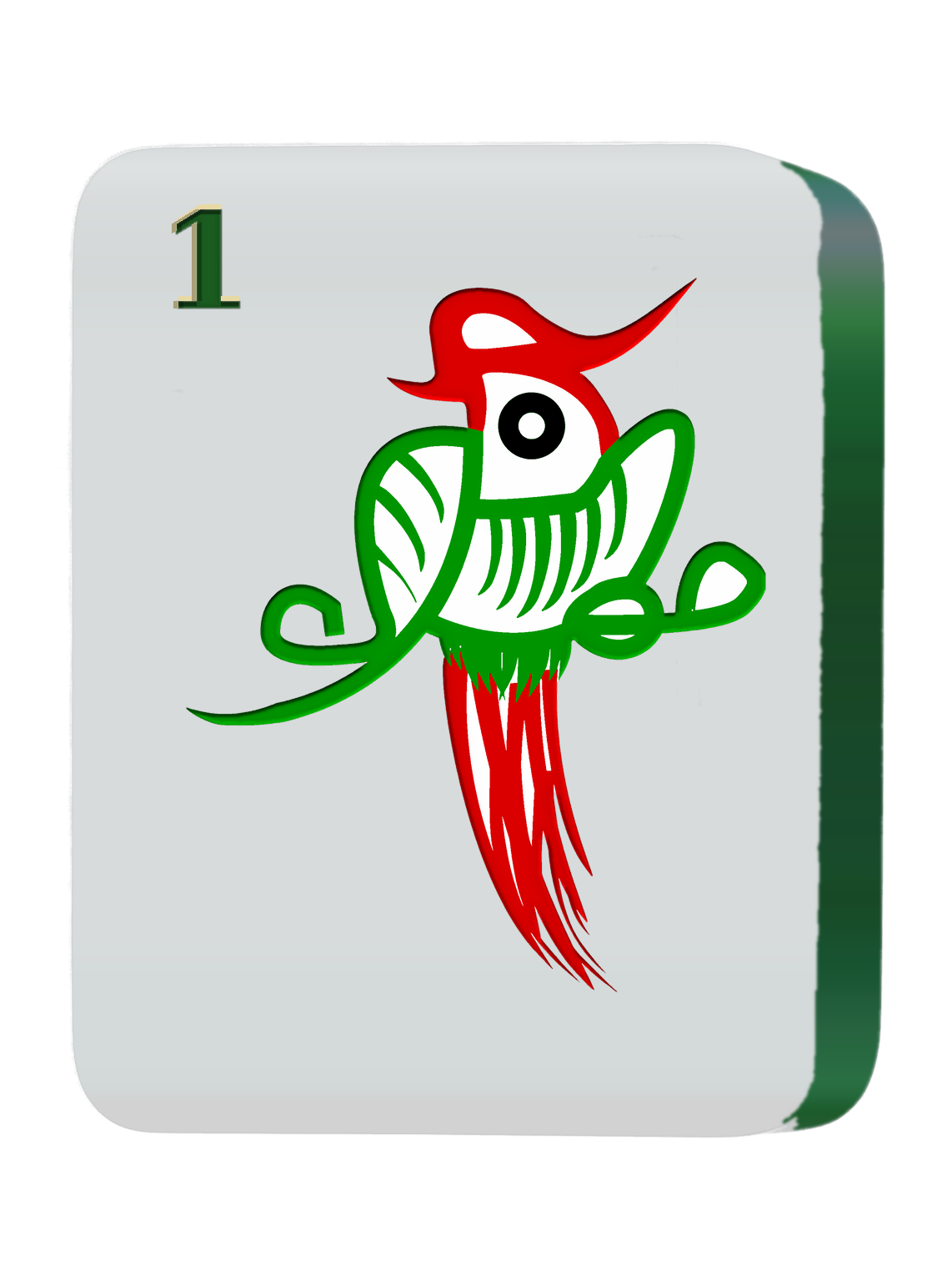
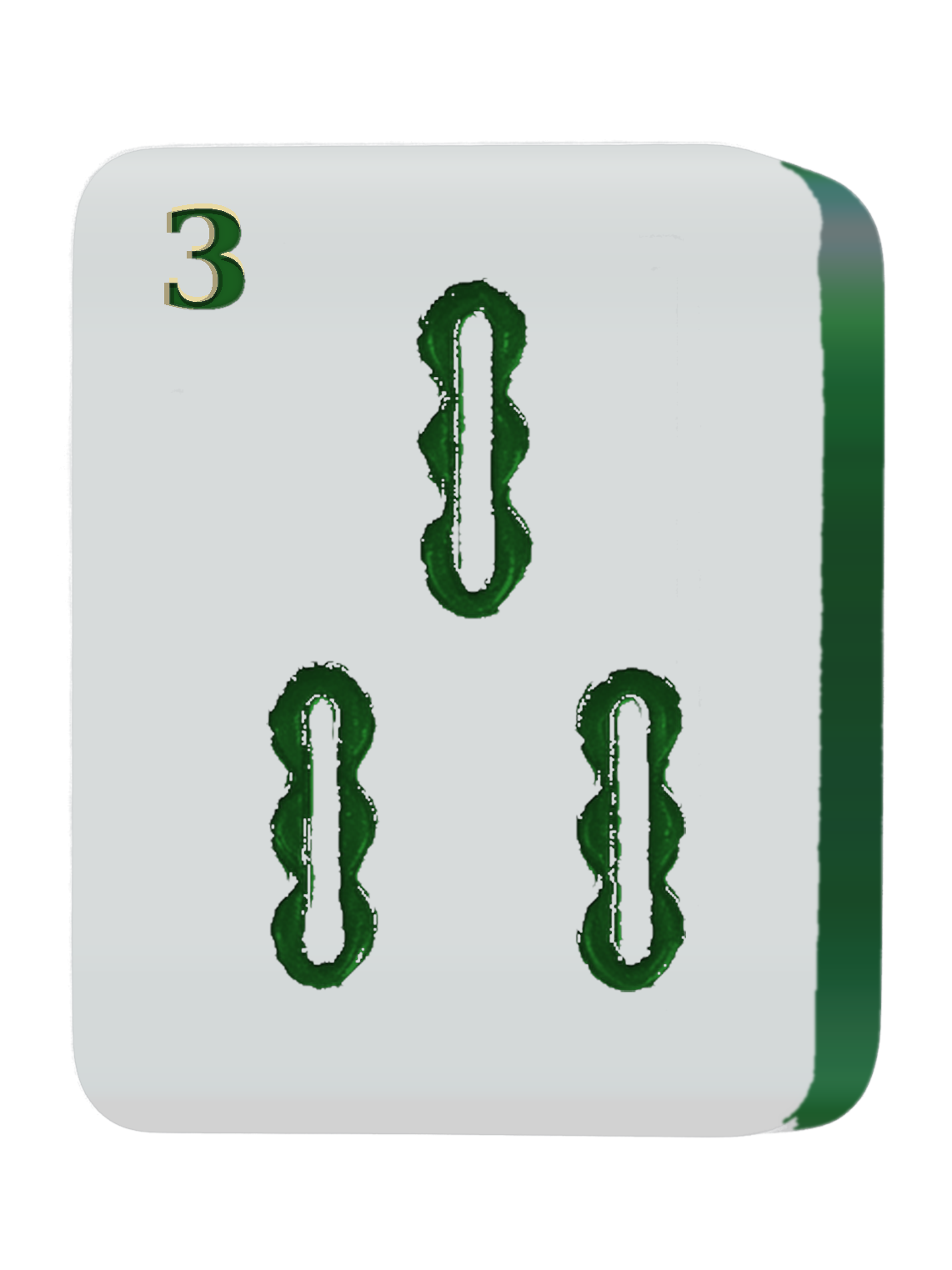
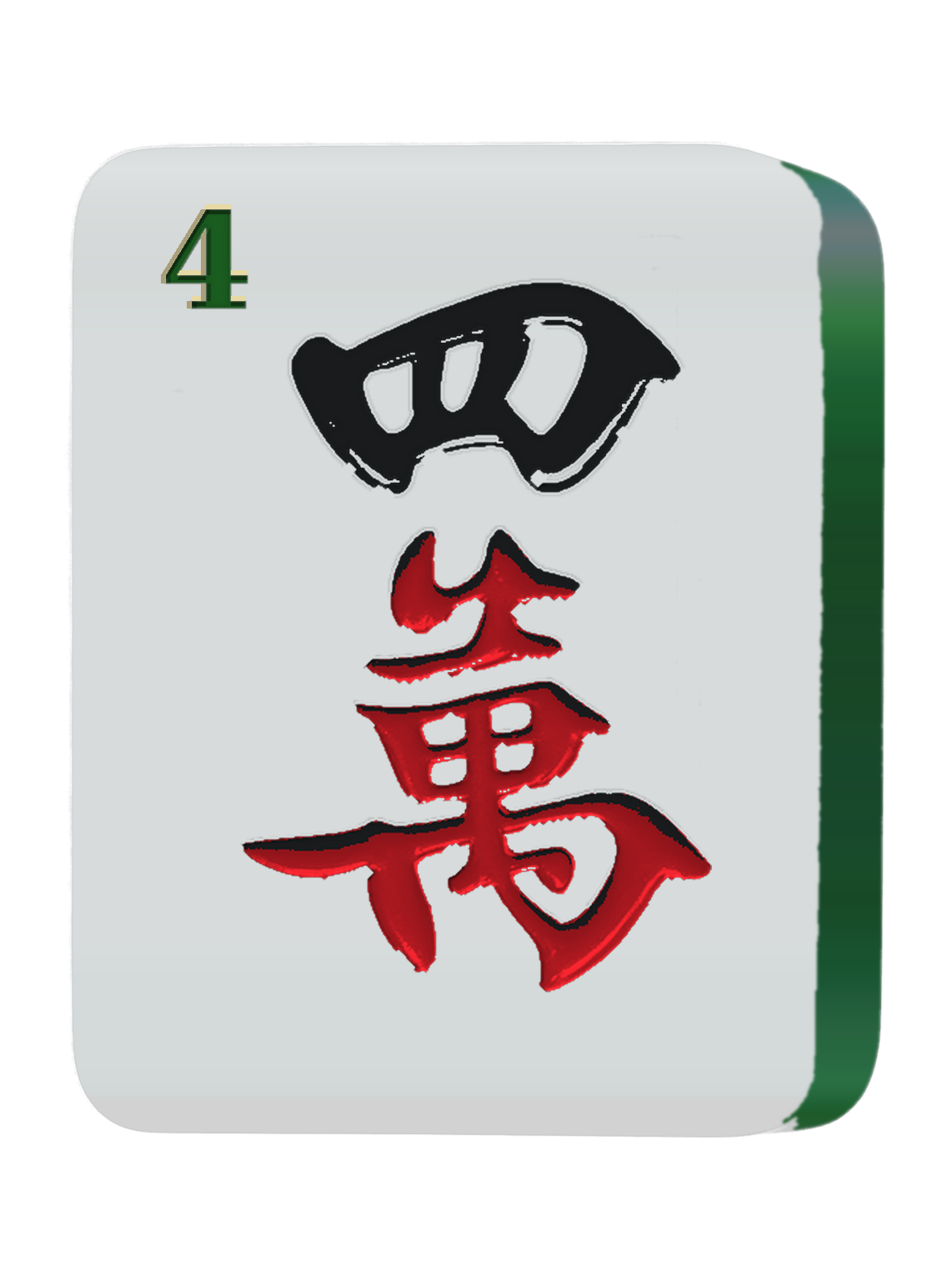
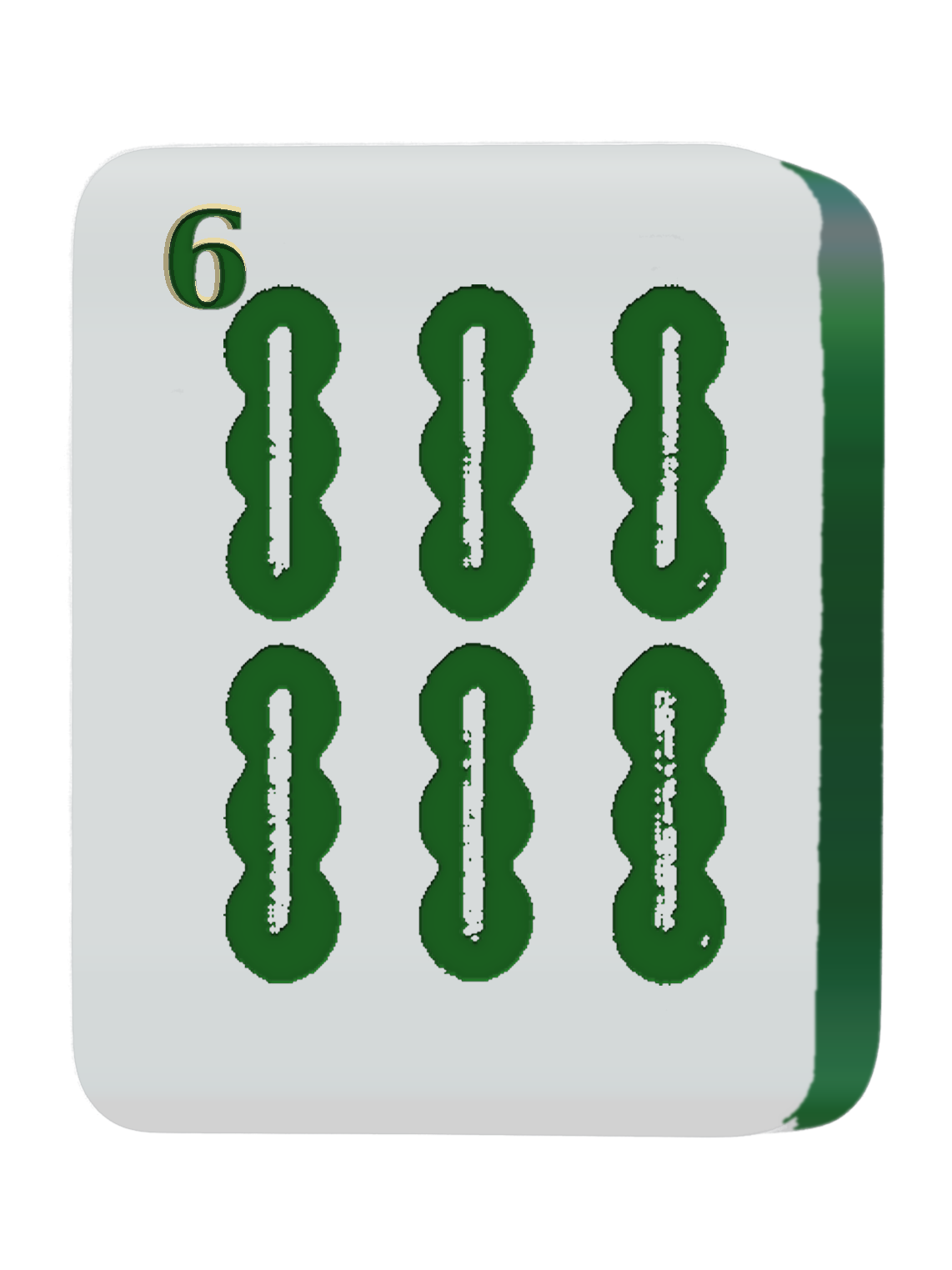
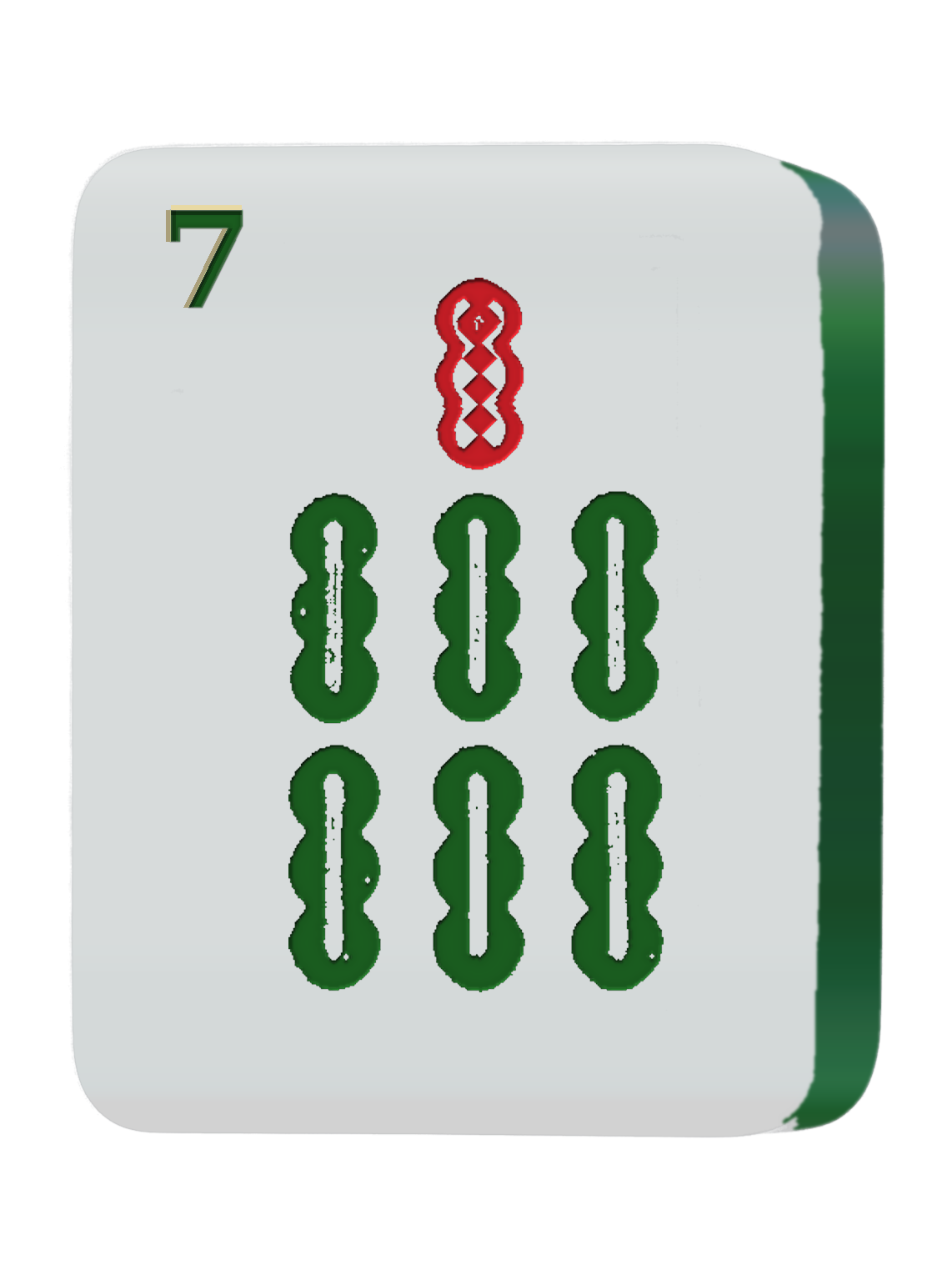
American Mah Jongg uses three numbered suits. Craks show characters and numbers, Bams show little birds, and Dots show circles. A "1 Crak" and a "1 Bam" and a "1 Dot" are simply the number one in three different suits.
You need 14 tiles to play, and most of them will be these three suits. Learn to read the number and the suit at a glance and the rest of the game gets much easier.
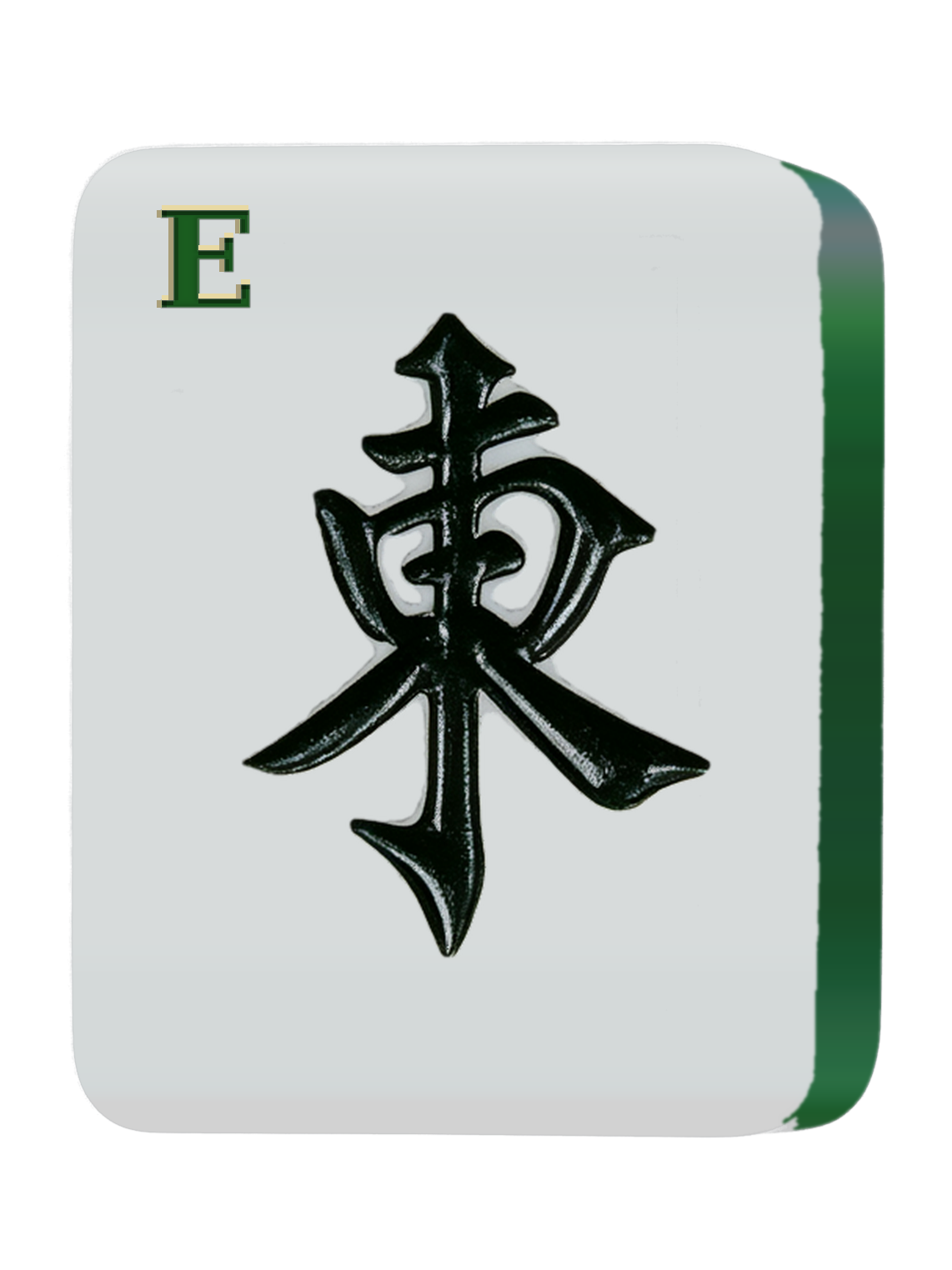
The four winds are North, East, West, and South — written NEWS. The three dragons are Red, Green, and White. These are the "honor" tiles and they do not carry numbers.
On most hands you will need a pair of matching winds or dragons, or a run of them, to complete a winning hand. They are easy to spot once you know the pictures.
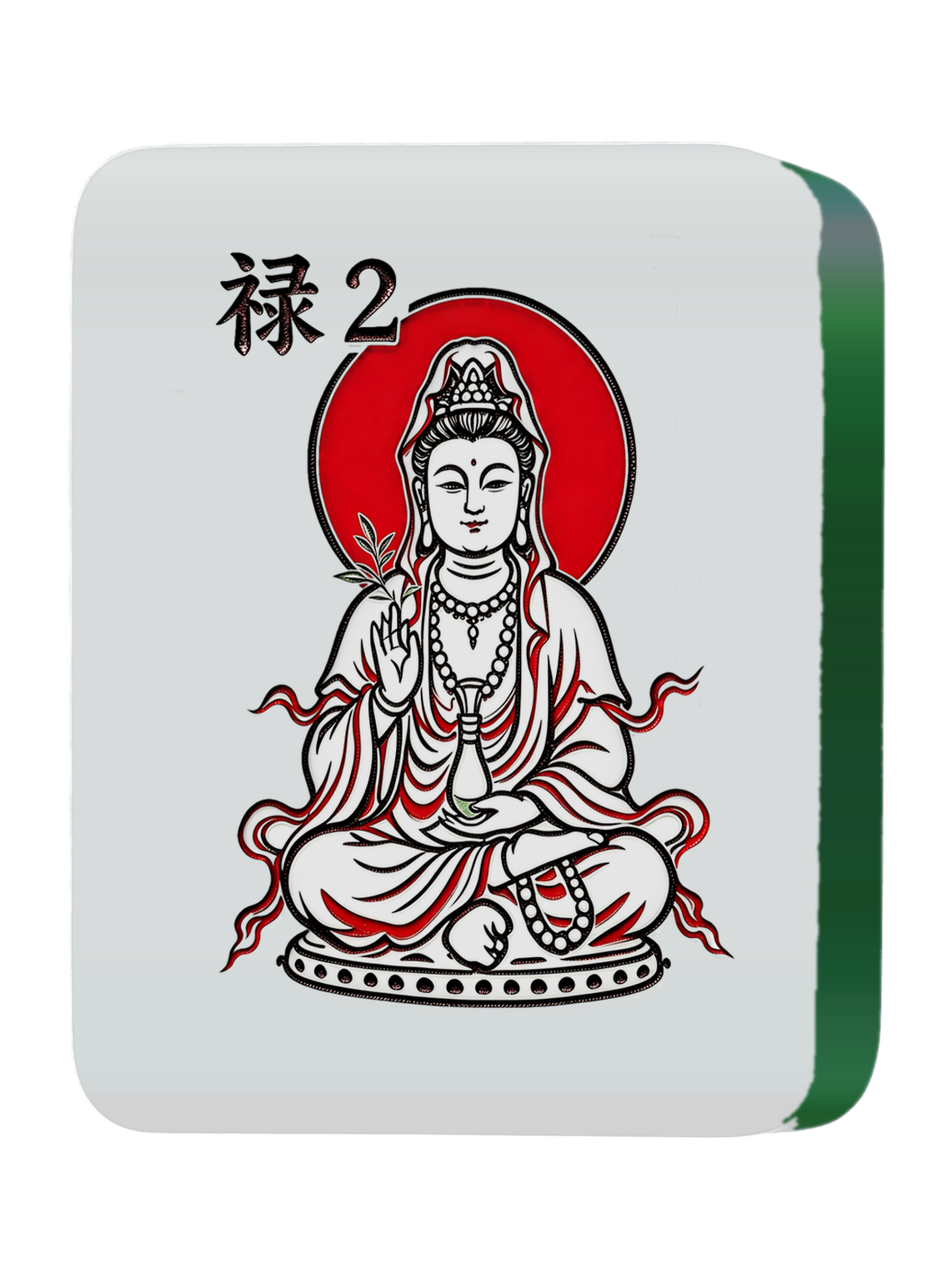
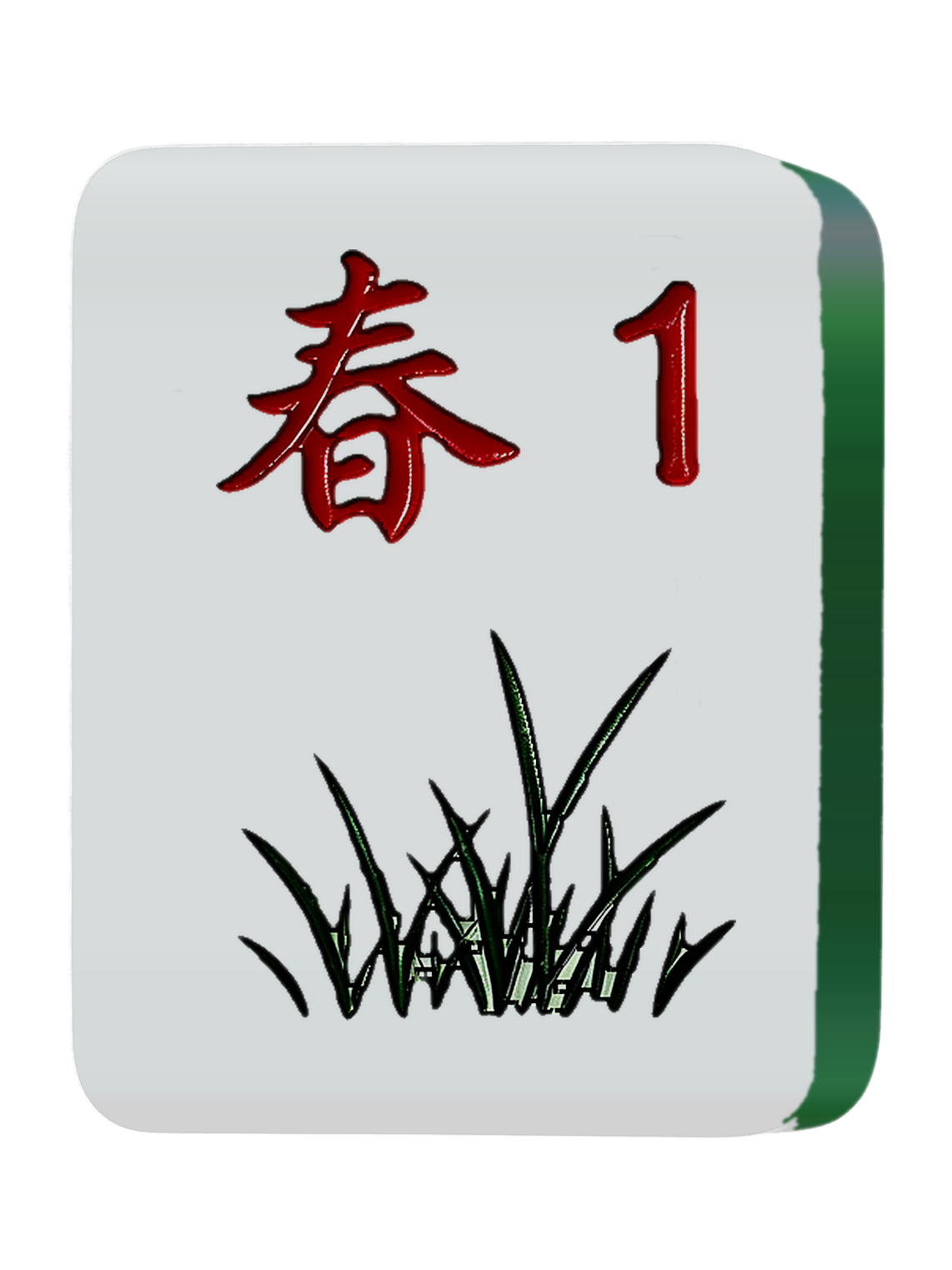
Flowers are pretty bonus tiles. They are not part of your 14 playing tiles, but each flower you draw is set aside and scores a small bonus at the end.
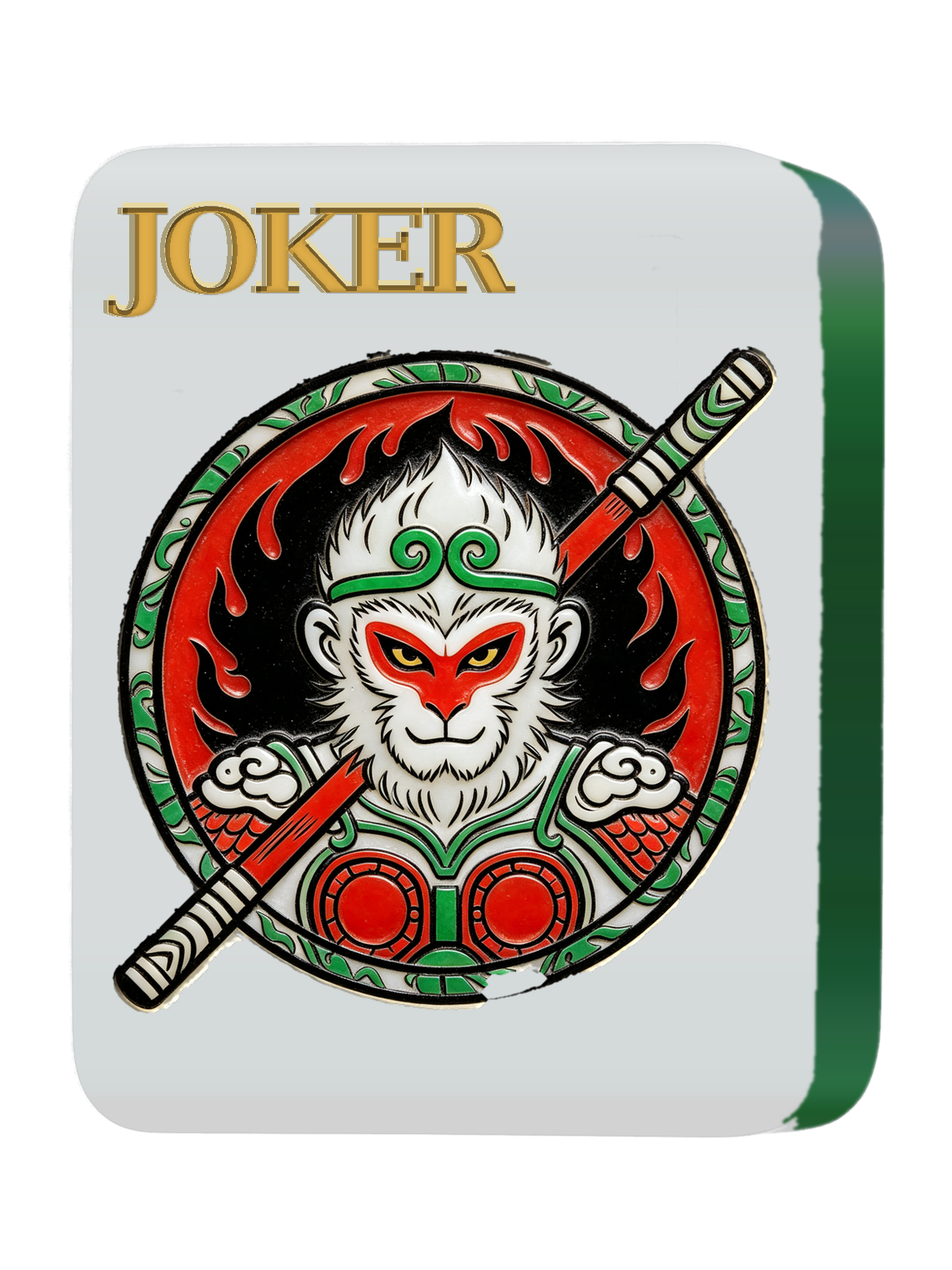
Jokers are the wild tiles of American Mah Jongg. One Joker can stand in for almost any tile the hand calls for, which is why players protect them until the very end.
Reading the Card
Make sense of the yearly card.
Every spring the National Mah Jongg League publishes a new card. It lists the exact winning hands allowed that year, so a hand that won last year may not win this year.
Treat the card like the season's menu. Before you sit down, know which hands are legal right now — guessing is how most beginners lose points.
The card groups hands into sections such as 2468, 13579, Winds-Dragons, and Singles and Pairs. Each section has a style of hand, and learning the sections helps you spot which family fits your tiles.
Most players pick one or two sections to aim for and quietly build toward them. You do not need every section at once.
There are 55 hand lines on the card. A line shows the pattern of tiles you need, the number of Jokers allowed, and how many points the hand is worth.
Read a line top to bottom: the tile pictures tell you what to collect, and the small marks tell you the limits. Match your rack to a line and you have a target.
On the card, "X" means the hand may be played with any number in that suit, while "C" means Concealed — you may not expose (show) any of those tiles. A hand marked C must be kept hidden until you call Mah Jongg.
Mixing up X and C is a common rookie mistake. X is about which numbers you may use; C is about whether you may show the tiles.
Each line has a point value, often 25, 30, 40, or 50 points. The winner of a hand scores that many points from each player who did not win — or from one player, depending on the call.
Bonus flowers and certain "quints" add extra points on top. The card shows the base value; flowers and quints are the tip on top.
Special Tiles
The tiles that bend the rules.
A Joker stands in for any tile named in your chosen hand line, except flowers and certain dragons. Need a "4 Crak" and you are short one? A Joker fills the gap.
Because they are so useful, Jokers are traded and protected carefully. A smart player rarely wastes a Joker early.
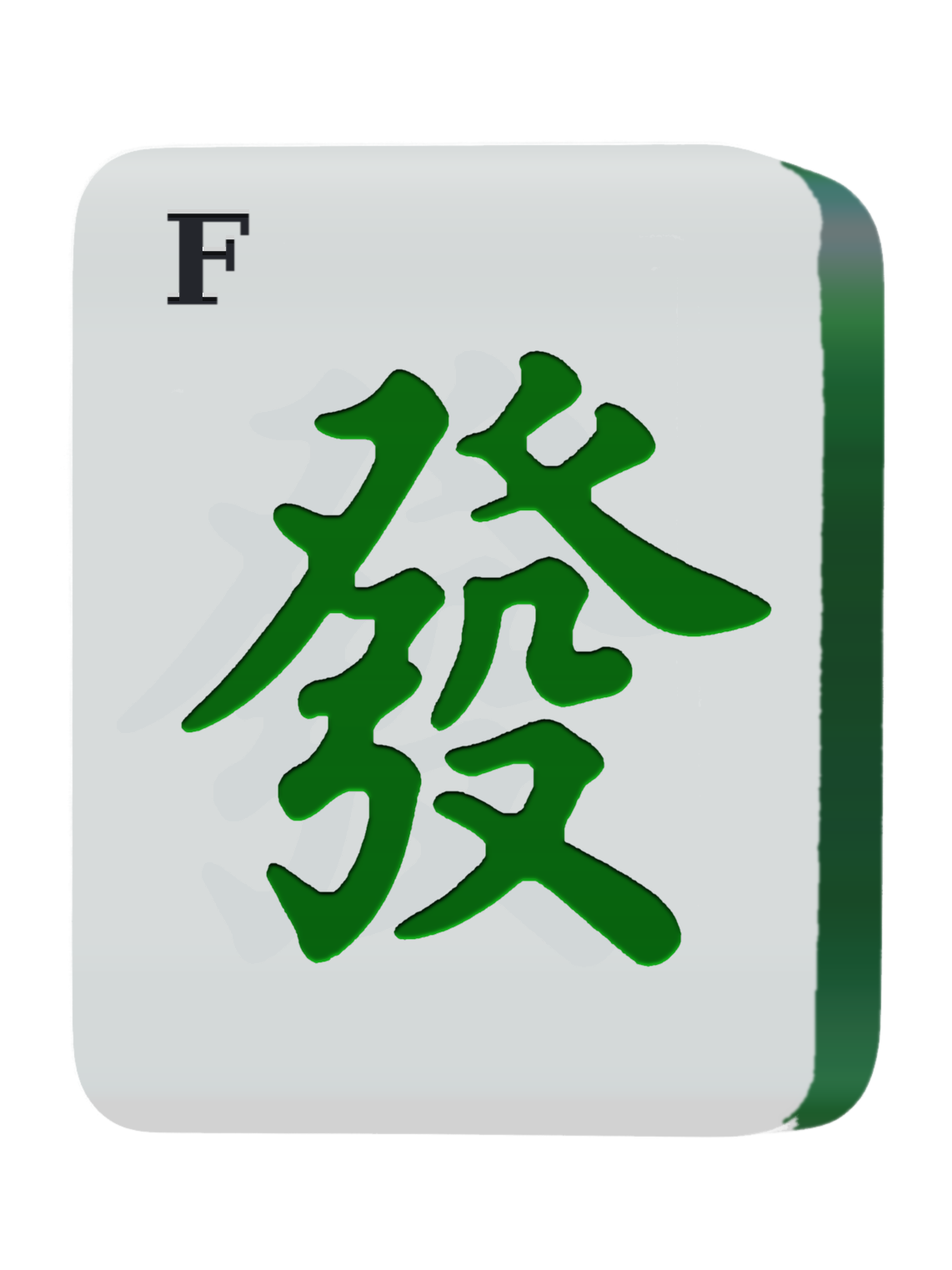
Jokers cannot replace flowers, and on many lines they cannot replace the "0" White Dragon or the single required dragon. A line that says "No Jokers" means exactly that.
Some hands forbid Jokers entirely, and exposing a Joker the wrong way can cost you the hand. Always re-read the line before you commit.
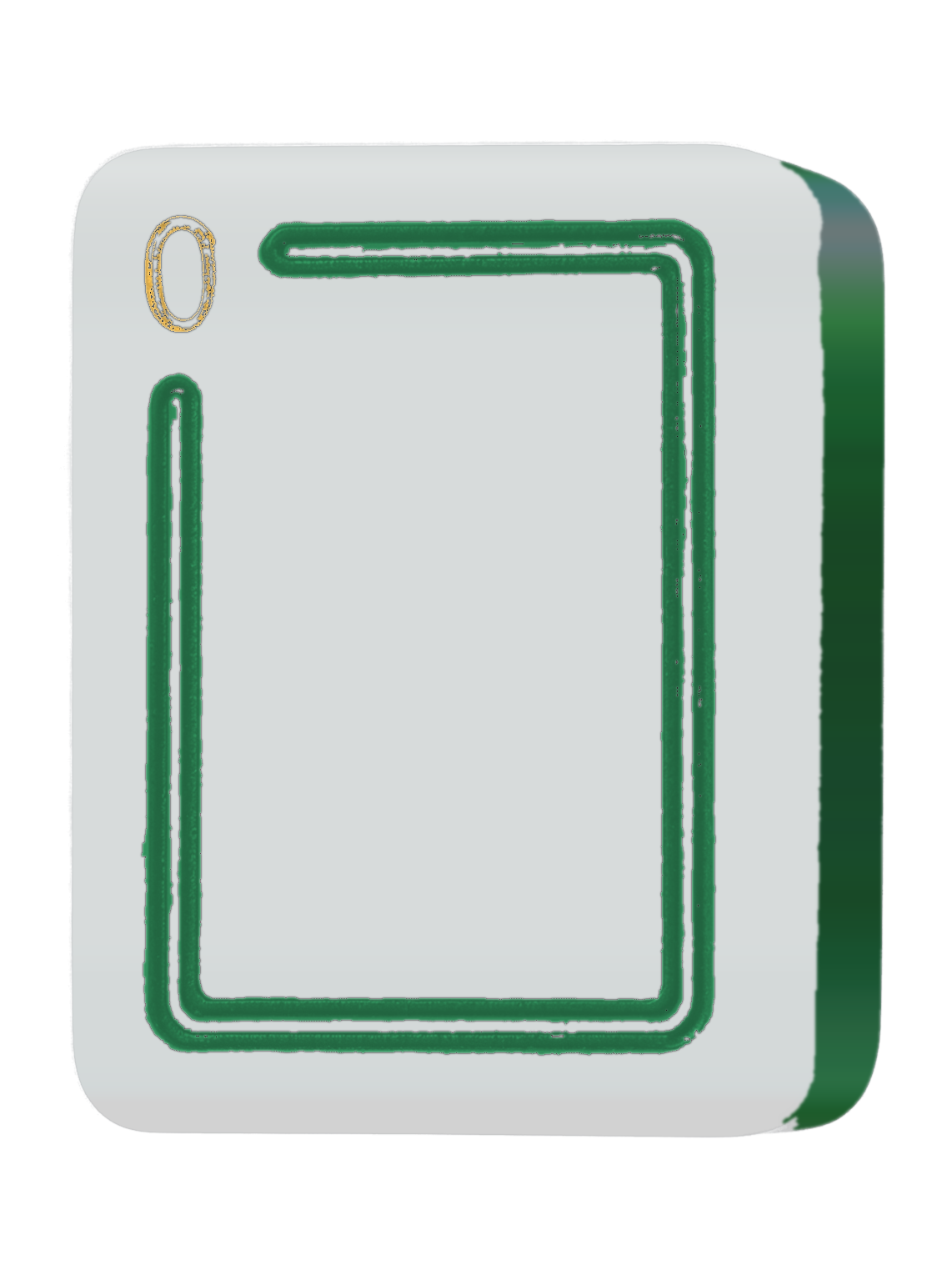
The White Dragon has no picture and counts as zero. In several hands it acts like any number you need within a suit, which makes it surprisingly useful.
Beginners often overlook it, but a White Dragon in the right hand can finish a run that no other tile could.
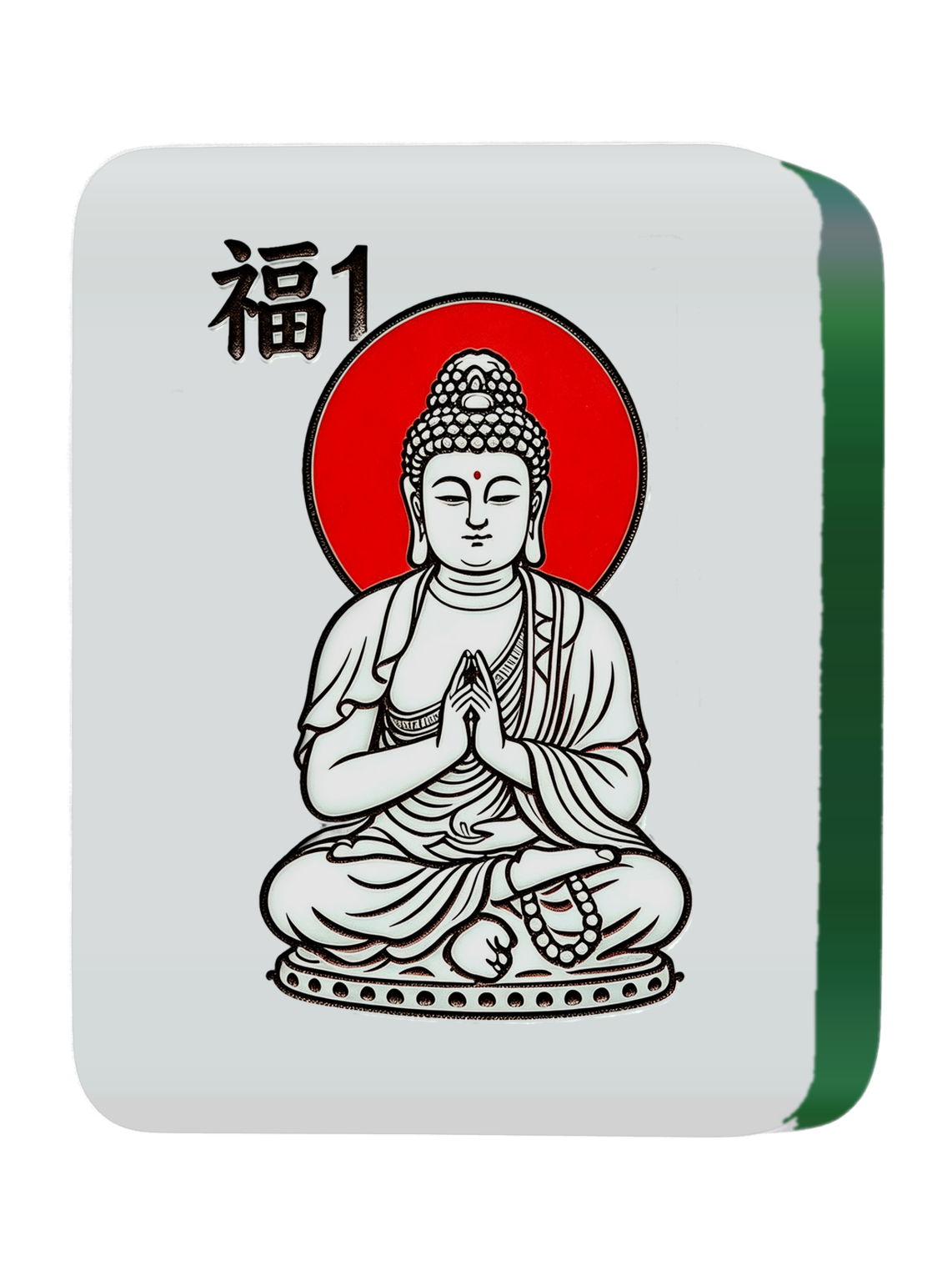
Flowers are drawn and set aside, one tile per flower, and each scores a small bonus at the end of the hand. They never break your 14-tile hand.
A full set of flowers is a quiet flex and a tidy point boost. They are luck, not skill — enjoy them when they come.
Playing the Game
From the first pass to the call.
After the deal, players take part in the Charleston: three passes of three tiles, often with a final optional pass across. It is how the table reshuffles luck before play begins.
Pass tiles you cannot use and keep the ones that point toward your chosen hand. The Charleston sets the tone for the whole hand.
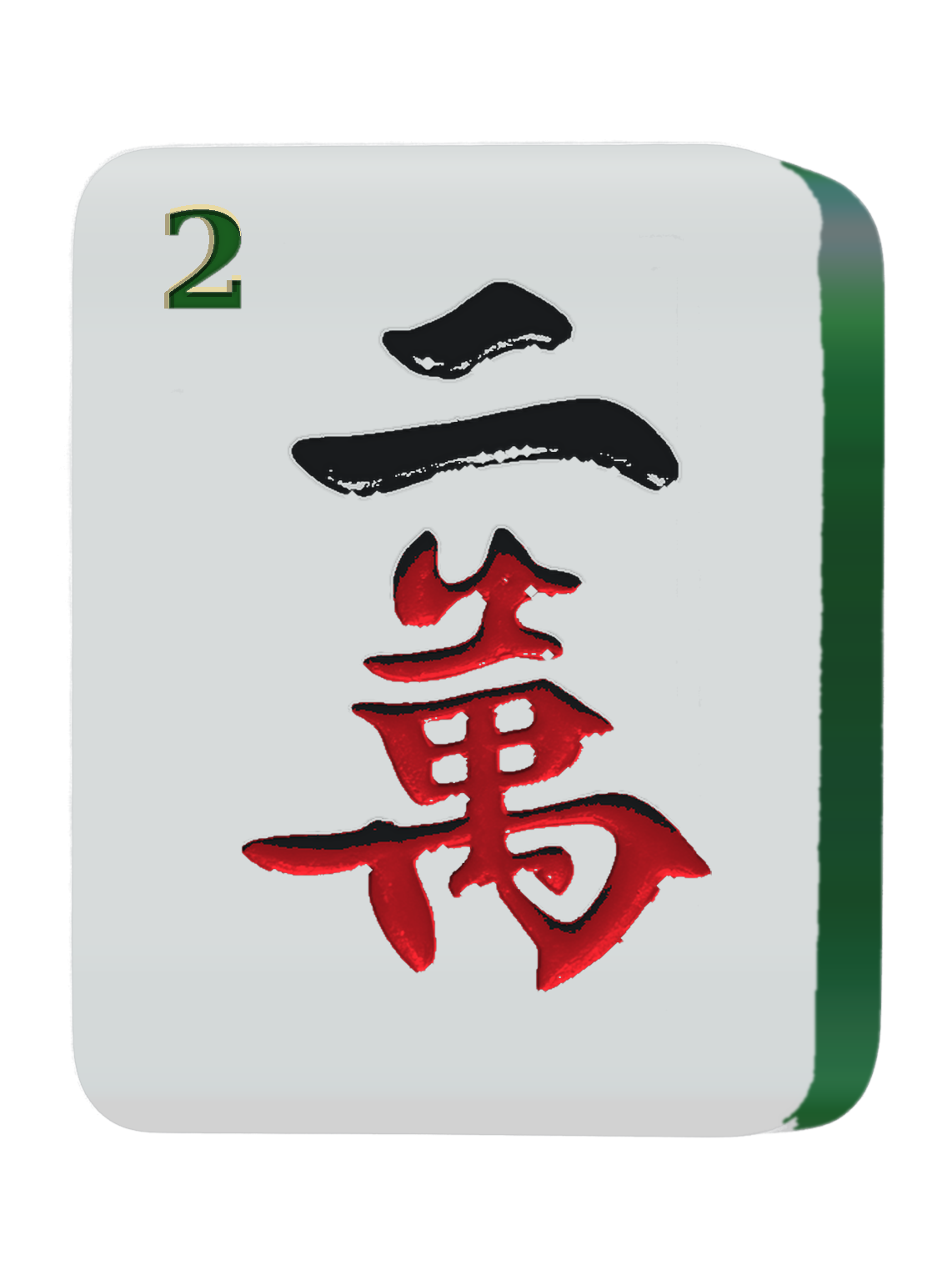
"Calling" means declaring a set. "Exposing" means placing those tiles face up on the table. A "quint" is five of a kind, made possible by Jokers, and it is worth bonus points.
Exposing speeds you toward Mah Jongg but also tells opponents what you are building. Use it when the hand rewards it.
When your 14 tiles match a legal line on the card, you call "Mah Jongg." The hand is then checked against the card; if it matches, you win the points.
Call clearly and point to your line. A wrong call can cost you, so double-check before you speak.
The winner collects the hand's value from the other players. The amount depends on the line's point value and whether the win was on a discard or from the wall.
This is friendly, low-stakes play — think of it as bragging rights and a small treat, never a wager you cannot afford.
Tools & Beyond
Where to go when you're stuck.
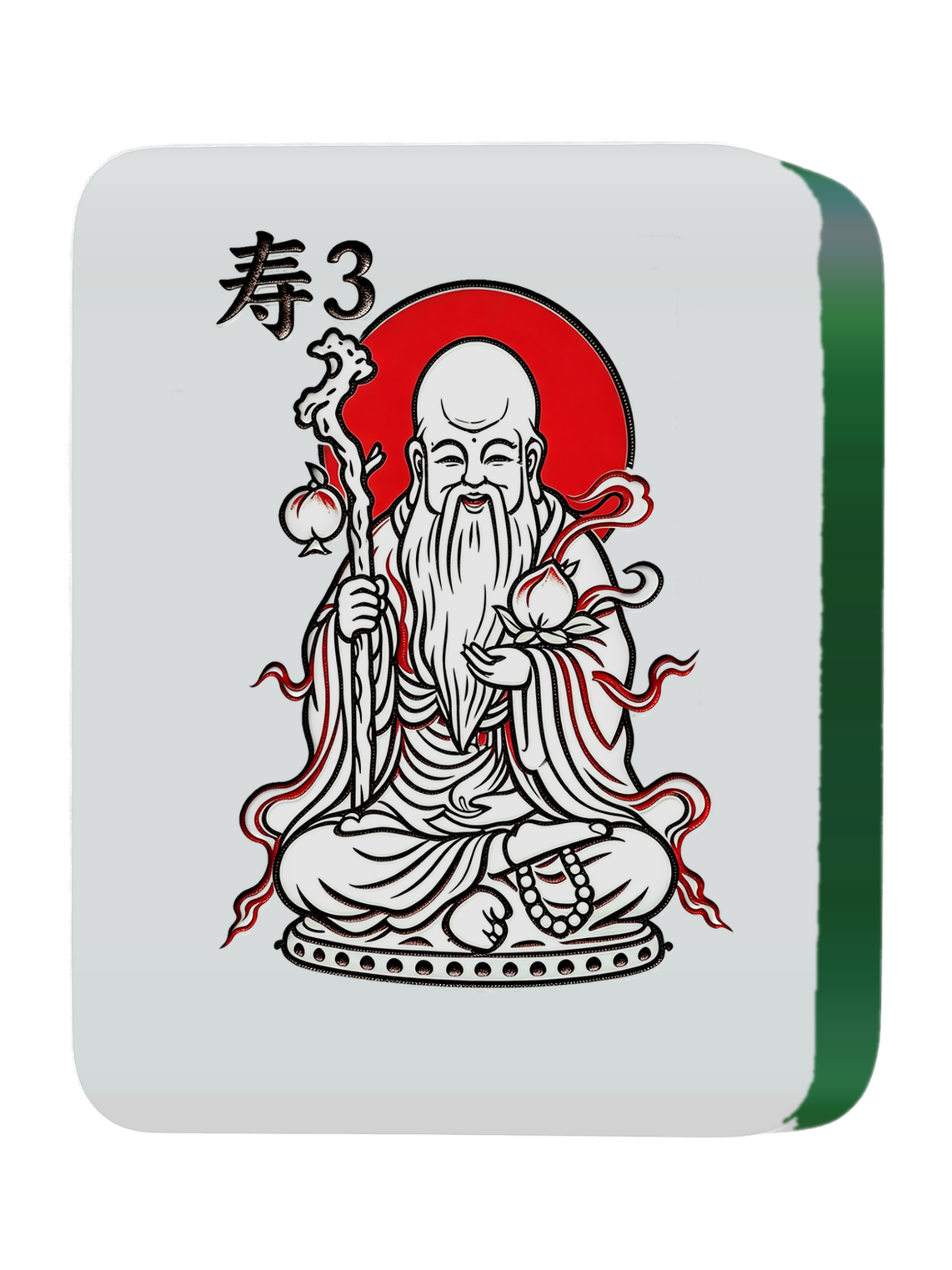
The Snap & Solve helper lets you photograph your 13 tiles and see which card lines you are closest to. It is the fastest way to stop guessing and start targeting.
Use it between hands to learn the card. Over a week, you will start spotting the lines on your own.
Stuck on a rule or a weird tile? Ask a Coach and get a plain-English answer without the jargon. No question is too small for your first month.
Coaches explain the "why," not just the "what," so the next hand feels easier.
Find a local table or host your own. Beginner tables move slowly and welcome questions — they are the best place to learn by doing.
Bring a friend, bring cinnamon rolls, and bring patience. The social part is half the joy.
The Show & Tell wall is where players post their favorite hands, their first Mah Jongg, and the table stories that keep us coming back.
Read a few before you post — you will see that every player was a beginner once.